
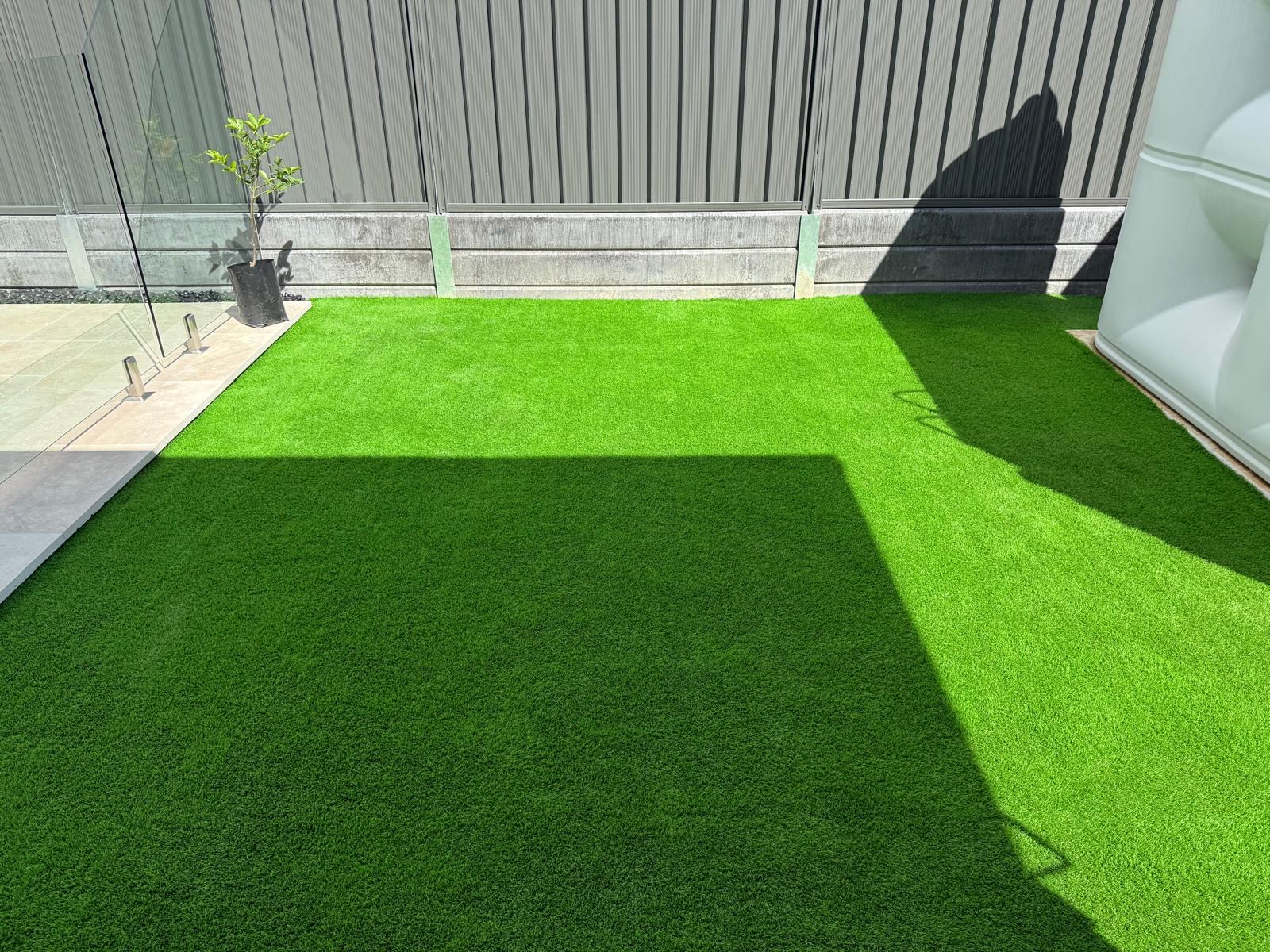
Composite Decking Hills District
Local decking across the Hills District 2154, measured on site and quoted in writing.
Decking in the Hills District
Most decking enquiries we take in the Hills District come from the same place: boards that have cupped and split after years without oil. It is worth understanding why that happens here before deciding what to replace it with.
We are based at Wentworthville and the Hills District is well inside our regular run, so a site visit is a short trip rather than a scheduling problem.
Half the skill in decking around the Hills District is knowing what not to disturb. Established gardens, old services and acreage in Dural and Glenorie sitting a short drive from dense new estates all sit in the way of the obvious approach.
Call 0492 879 796 for a free measure in the Hills District and we will walk the job with you before anything is priced.
Decking Configurations We Install
Low Level Decks
Decks built low over an existing slab or paving where height is limited.
Steps and Landings
Transitions between levels set out so the rise is consistent and comfortable.
Hardwood Decking
Merbau, spotted gum and blackbutt boards, oiled and re-oiled to hold their colour.
Substructure
Galvanised steel or treated hardwood framing sized for span and for the ground beneath it.
Screening and Skirts
Skirting and screening that closes the underside without trapping moisture.
Composite Decking
Capped composite boards that do not need oiling and hold colour in full sun.
Soil, Slope and Access in the Hills District
Because so much of the Hills District is everything from 1970s brick on quarter acres to brand new estate housing, boundaries and structures tend to have been built within a few years of each other. They also tend to reach the end of their life together.
Hills District sits on Wianamatta shale clay grading to sandstone along the northern ridges, which behaves very differently in February from the way it behaves in July. Anything set into it has to tolerate that seasonal swing without moving.
Site conditions here run to rolling ridge country with acreage in the north and dense estates in the west. Levels get set out and recorded before anything is ordered, because a change of grade halfway along a run is a design decision, not something to improvise around.
Why the Hills District Owners Replace Decking
We have been doing decking across the Hills District long enough to know which streets throw up surprises. The one that catches people out most often is long boundaries that need setting out properly before anything is ordered.
- Balustrade that no longer meets current height and infill expectations
- A substructure that has rotted where it sat in contact with damp ground
- A springy feel from joists spanning further than they should
- Boards that have cupped and split after years without oil
Technical Notes on Decking
Everything we install carries a manufacturer specification, and we install to it. Warranty claims fail on installation detail far more often than on product defect.
The parts you cannot see once the job is finished are the parts worth paying for: footings, drainage, fixings and substructure. That is as true in the Hills District as anywhere.
- Hidden fixings look better and remove the row of screw heads, but they demand a more accurate substructure.
- Boards need a gap for movement; hardwood shrinks across the width as it dries after installation.
- Merbau bleeds tannin for the first few rains, which is why a pre-coat before laying saves staining on light paving below.
- A deck is only as good as its substructure, and the substructure is what nobody sees when comparing quotes.
- A deck built low to the ground needs ventilation underneath or the substructure will hold moisture and fail early.
Our Process on the Hills District Sites
Existing survey marks are worth finding before the first hole goes in. A boundary argument costs far more than an hour spent looking, and around the Hills District the older subdivisions do not always agree with the plan.
We photograph the site before we start and again at completion. On a the Hills District job that record settles most questions about what was there and what changed.
- Pool surround decking
- Galvanised and hardwood substructure
- Hidden fixing and pre-oiled finishes
- Elevated decks with balustrade
- Low level decks over existing slabs
- Composite and capped composite boards
Suburbs We Service From the Hills District
Frequently Asked Decking Questions
It depends on height and location. A low deck is often exempt development under the State Environmental Planning Policy for exempt and complying development, while a raised deck, or one close to a boundary, frequently is not. Heritage and bushfire mapping also change the answer. Check the specifics with The Hills Shire Council before you build.
Realistically an oil every year or two, more on a full sun aspect. The first coat after installation matters most because the timber is still shedding moisture. In the Hills District, expect a shorter interval on a site dealing with long boundaries that need setting out properly before anything is ordered. If that sounds like more than you want to commit to, composite is the honest recommendation.
Most decks here are dealing with it. On rolling ridge country with acreage in the north and dense estates in the west, a deck is often the cheapest way to create level usable space, because the alternative is retaining and fill. The substructure carries the level change and the finished surface sits flush with the house floor.
The boards are rarely what fails first. On the sort of ground around the Hills District, described as Wianamatta shale clay grading to sandstone along the northern ridges, it is the substructure and the connection to the ground that determines lifespan. Galvanised framing or treated hardwood on proper footings with ventilation underneath will outlast the deck surface by a wide margin.
Hardwood looks better and costs less to install, and it needs oiling to hold its colour. Composite costs more up front and asks for almost nothing afterwards. In the Hills District, what usually tips the decision is long boundaries that need setting out properly before anything is ordered, because that determines how quickly an oiled surface breaks down and how often you would be back on your knees with a brush.
Get YourFree Quote Today
Contact Sydney's trusted fencing contractors and landscape designers
Contact Information
Address
77 Garfield St
Wentworthville NSW 2145
ABN
75 644 310 547
Serving All Sydney
Professional since 2016
Why Choose Us?
Free Quotes
No-obligation assessments across Sydney
9+ Years Experience
Established local business
Licensed & Insured
Full compliance and protection
Quality Materials
Premium suppliers and warranties
On-Time Completion
Reliable project delivery
Competitive Pricing
Best value for money
Ready to Get Started?
Contact us today for your free consultation and quote
Professional Fencing & Landscaping Services Sydney
Transform your Sydney property with expert fencing contractors and landscape designers