Turf Laying Sydney
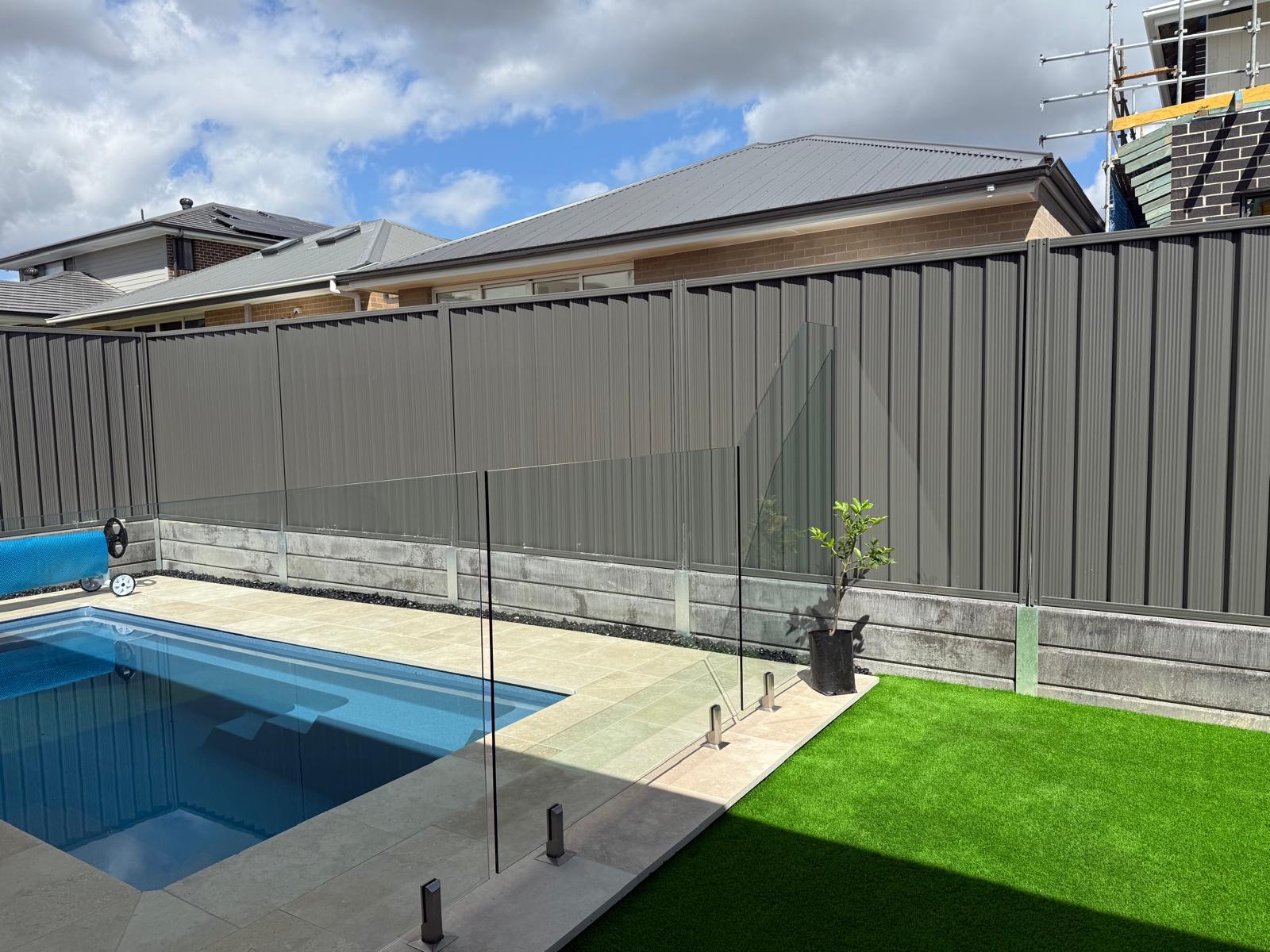
Synthetic Turf in Sydney, designed around everything from flat river plain to steep sandstone escarpment rather than dropped in from a catalogue.
Synthetic Turf Specialists Working in Sydney
Synthetic Turf in Sydney is as much about access and set-out as it is about materials. On everything from flat river plain to steep sandstone escarpment, getting the sequence right is what keeps a job to program.
The honest starting point for synthetic turf in Sydney is that you are dealing with coastal salt exposure on one side of the city and cracking clay on the other. Everything we specify follows from working with that rather than pretending it is not there.
Half the skill in synthetic turf around Sydney is knowing what not to disturb. Established gardens, old services and ground conditions that change completely between one side of the basin and the other all sit in the way of the obvious approach.
We are based at Wentworthville and cover Sydney regularly. Call 0492 879 796 to book a site visit and a fixed written quote.
Specification Notes for Sydney
Where materials have to cope with councils that each interpret the same state controls slightly differently, we upgrade the fixings rather than the visible finish. Fixings are almost always what fails first in this part of the greater Sydney basin.
We specify to the site rather than to a price point. There are cheaper ways to build almost everything on this list, and most of them fail first where the ground is reactive shale clay in the west, sandstone and sand through the coast and north.
- Synthetic turf fails at the base, not at the fibre, which is why crushed rock depth and compaction matter more than pile height.
- Seams are joined on tape with adhesive, and a visible seam is nearly always a set-out problem rather than a product problem.
- Infill holds the fibres upright and adds ballast; the type is chosen for the use, and pet households need a free draining option.
- Synthetic surfaces get hot in direct sun, which is a real consideration on a west facing yard.
- Natural turf choice is an aspect decision first: buffalo tolerates shade, couch needs full sun and takes wear.
Choosing a Synthetic Turf Format
Pet Grades
Free draining backings and infills chosen for households with dogs.
Natural Turf
Buffalo, kikuyu and couch varieties chosen for the aspect and the wear the lawn will take.
Edging and Fixing
Perimeter restraint that stops the edges lifting in the first hot summer.
Repairs and Re-Laying
Lifting, re-tensioning and re-seaming turf that has rippled or lifted.
Synthetic Lawn
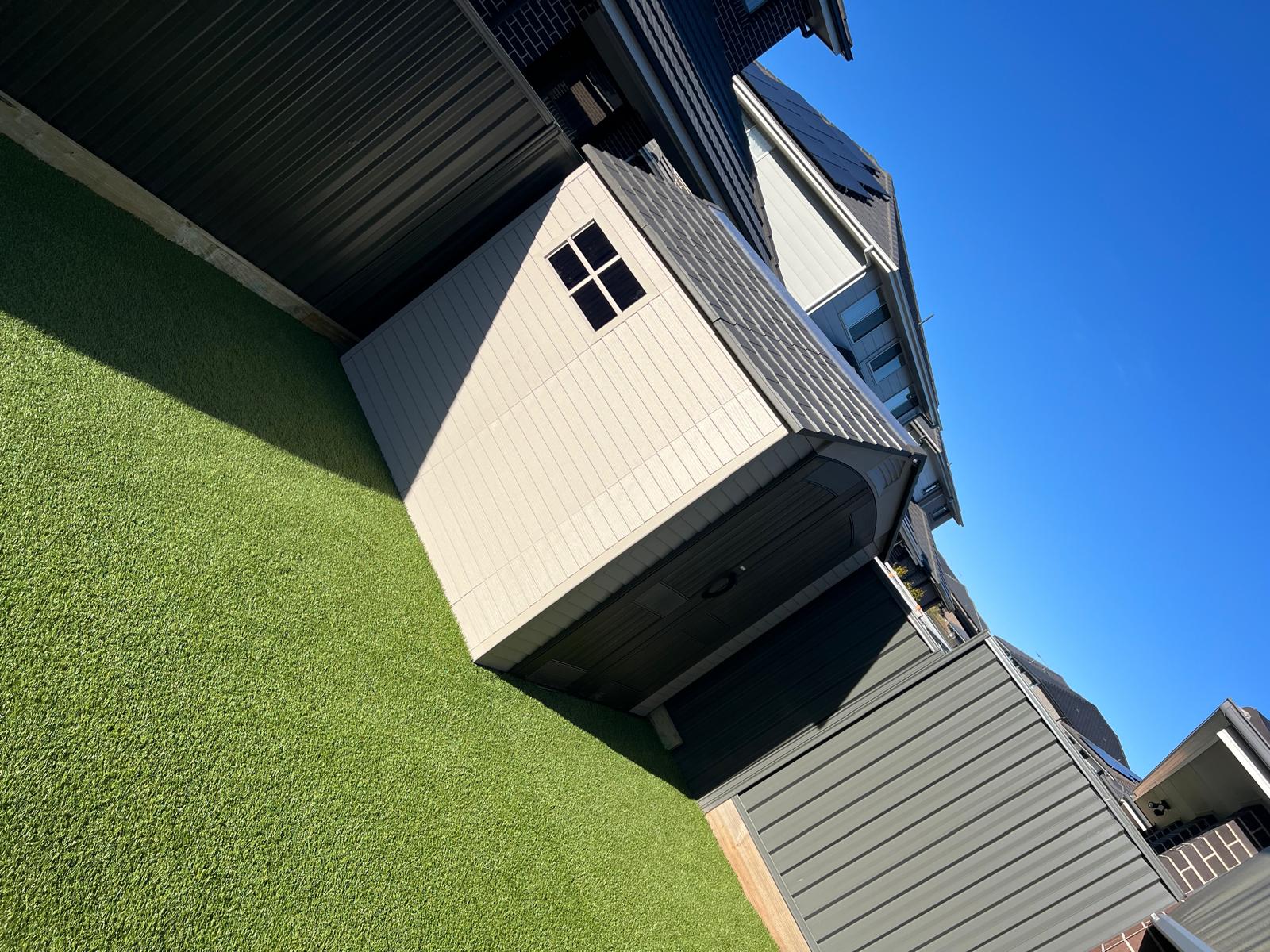
UV stabilised synthetic grass on a properly compacted crushed rock base.
Base Preparation
Excavation, crushed rock and compaction, which is what determines whether the surface stays flat.
Common Problems We Are Called To Fix
Ask three contractors for synthetic turf in Sydney and you may get three different answers. The difference usually comes down to whether anyone has looked at a very wide range of housing eras with different original boundary types before pricing the job.
- A lawn that has rippled because the base was never compacted properly
- Edges lifting where there was no perimeter restraint
- Water sitting under the backing because drainage was not designed
- Natural turf failing because the variety was wrong for the aspect
Getting Materials Onto a Sydney Site
We agree the working hours and the access route with you at the start. On the tighter Sydney streets that conversation saves a day, and it saves the relationship with the neighbours.
Access shapes the price more than most people realise. Around Sydney we plan around a very wide range of housing eras with different original boundary types, which decides whether material comes in on a truck or on a barrow, and that difference runs through the whole program.
What the relevant local council Controls
Before anything is fabricated for a Sydney property, we check what applies. the relevant local council publishes its controls, and heritage, bushfire and flood mapping can each change the answer entirely.
Approvals are administered by the relevant local council, and the controls that matter sit in its development control plan alongside the relevant state provisions. What applies to your street is what counts, not what a neighbour did five years ago.
Where Else We Work Near Sydney
Questions We Get Asked About Synthetic Turf in Sydney
Yes, with the right specification. A free draining backing, a permeable base and the appropriate infill let liquid pass straight through rather than sitting in the pile. A quick hose down is normally all the maintenance required. The base preparation matters more here than on any other job.
Aspect decides it. Buffalo tolerates shade and handles the heat across the greater Sydney basin well. Couch loves full sun and repairs itself under heavy wear but thins badly in shade. Kikuyu is vigorous and cheap to establish but invades garden beds. We look at the sun hours before recommending.
In direct sun, yes, noticeably. On a west facing Sydney yard, allowing for councils that each interpret the same state controls slightly differently, a shade sail, planting or a lighter coloured infill all reduce it. Under filtered shade or a patio roof the difference is much less. It is worth being realistic about this before choosing rather than after.
A compacted crushed rock base, excavated deep enough to allow for it, laid to a fall and compacted in layers. On ground described as reactive shale clay in the west, sandstone and sand through the coast and north, this is the whole job. Turf laid on a skim of sand over existing soil will ripple within a season, and it is the part of the quote you cannot see once the grass is down.
If the area gets sun, drains, and someone will water and mow it, natural turf is hard to beat and it stays cool. If the area is shaded, narrow, sits between buildings or takes constant dog traffic, synthetic wins because natural grass will never establish there. The aspect usually makes the decision for you.
Get YourFree Quote Today
Contact Sydney's trusted fencing contractors and landscape designers
Contact Information
Address
77 Garfield St
Wentworthville NSW 2145
ABN
75 644 310 547
Serving All Sydney
Professional since 2016
Why Choose Us?
Free Quotes
No-obligation assessments across Sydney
9+ Years Experience
Established local business
Licensed & Insured
Full compliance and protection
Quality Materials
Premium suppliers and warranties
On-Time Completion
Reliable project delivery
Competitive Pricing
Best value for money
Ready to Get Started?
Contact us today for your free consultation and quote
Professional Fencing & Landscaping Services Sydney
Transform your Sydney property with expert fencing contractors and landscape designers