
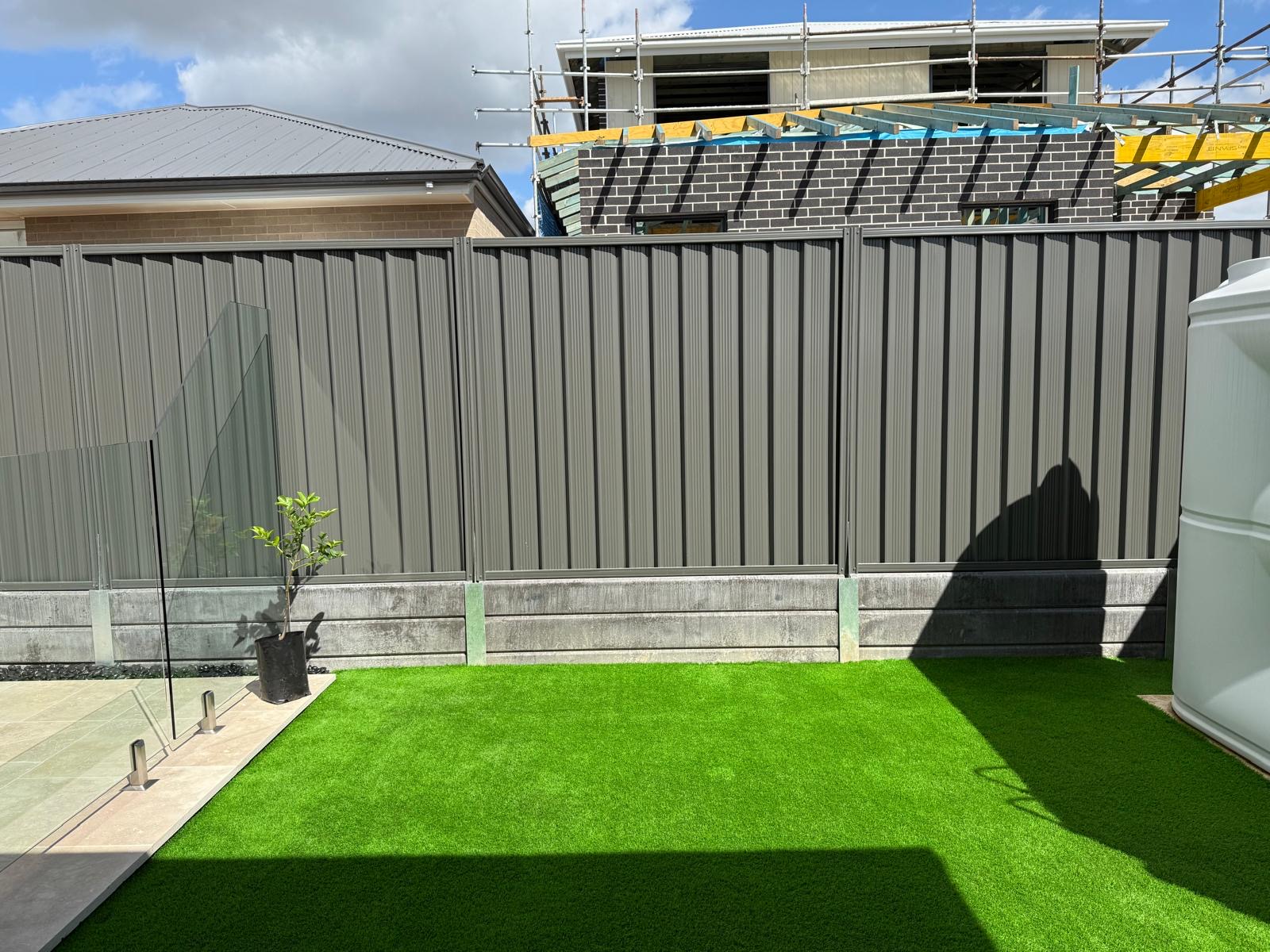
How to Stop People Climbing Your Fence
A plain-English guide to why fences get climbed, which fixes actually work, and what you are allowed to put on a boundary in NSW.
Anti-Climbing Fence Solutions for Sydney Commercial & Industrial Sites
People climb fences because a fence gives them something to hold. A standard chain wire diamond is a ladder: every opening takes a toe and a finger. So the first question is not how high the fence is, it is how big the openings are. Close the aperture below roughly 25mm and the grip disappears, which is why 358 mesh (76.2mm x 12.7mm openings) stops climbing outright while a taller chain wire fence often does not. Height only helps once grip has been removed.
The usual add-ons work in a specific order. Removing footholds beats adding height; adding height beats adding toppings; toppings only earn their keep once the panel itself cannot be gripped. Outward-raked arms and razor coil are effective but are restricted on residential boundaries in NSW and generally need to sit above 2.4m on a commercial site, set back inside your own property line - worth checking with your council before you commit. Clearing climbable aids next to the fence (bins, pallets, street trees, parked trailers) is free and often the single biggest improvement. If you want this assessed and built properly, see our security fencing Sydney hub.
Not all sites need the same level of protection. We offer a free on-site consultation to assess your perimeter, review current fencing, identify weak points, and recommend the most cost-effective anti-climbing solution. In many cases, a targeted upgrade — adding anti-climb arms or a razor wire topping — provides the protection needed at a fraction of the cost of full replacement.
Anti-Climbing Fence Products & Services
358 Anti-Climb Mesh
Prison-grade welded mesh with 76×12 mm apertures — the most secure anti-climb panel available.
Palisade Steel Fencing
Sharp-topped vertical pales with anti-tamper nuts. Highly visible deterrent for industrial sites.
Razor & Barbed Wire
Concertina coil, flat-wrap barbed tape, or single-strand wire to top any fence type.
Anti-Climb Arm Brackets
Outward-angled galvanised arms that prevent scaling — retrofittable to most existing fences.
Electric Security Gates
Heavy-duty motorised gates integrated with boom barriers or access card readers.
Chain Link with Arms
Cost-effective perimeter upgrade using existing chain link with anti-climb arm extensions.
Sydney Suburbs We Cover
We install anti-climbing fencing in Blacktown, Parramatta, Penrith, Liverpool, Campbelltown, Western Sydney, and surrounding industrial corridors.
Related Security Fencing Services
Anti-Climbing Fence FAQs
Questions about anti-climbing fence installation in Sydney
Standard security fencing deters casual trespassers but can be climbed. Anti-climbing fencing is engineered to remove handholds through tight apertures (358 mesh), sharp tops (palisade), or anti-climb arms that make scaling physically impractical.
Yes. Warehouses and logistics centres in Western Sydney industrial estates like Eastern Creek, Erskine Park, and Smeaton Grange regularly specify anti-climbing perimeter fencing as part of insurance requirements.
Yes. Many large sites stage perimeter upgrades over 2–3 years. We can fence the highest-risk sections first and complete the remainder on a subsequent contract with pricing locked in for staged projects.
Yes. 358 mesh and palisade panels are available in powder-coated finishes across the Dulux and Interpon colour range. Dark colours like Ironstone, Monument, and Basalt are popular for reducing visibility into a site.
Yes. We have experience with council-owned assets including depots, parks facilities, and water treatment sites, meeting government procurement requirements including a competitive price million public liability insurance and SWMS documentation.
For the complete Sydney range including palisade, chain wire and security gates, see our security fencing Sydney page.
Get YourFree Quote Today
Contact Sydney's trusted fencing contractors and landscape designers
Contact Information
Address
77 Garfield St
Wentworthville NSW 2145
ABN
75 644 310 547
Serving All Sydney
Professional since 2016
Why Choose Us?
Free Quotes
No-obligation assessments across Sydney
9+ Years Experience
Established local business
Licensed & Insured
Full compliance and protection
Quality Materials
Premium suppliers and warranties
On-Time Completion
Reliable project delivery
Competitive Pricing
Best value for money
Ready to Get Started?
Contact us today for your free consultation and quote
Professional Fencing & Landscaping Services Sydney
Transform your Sydney property with expert fencing contractors and landscape designers